

What is Aluminum Zorba Scrap?
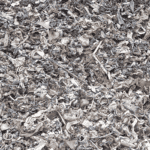
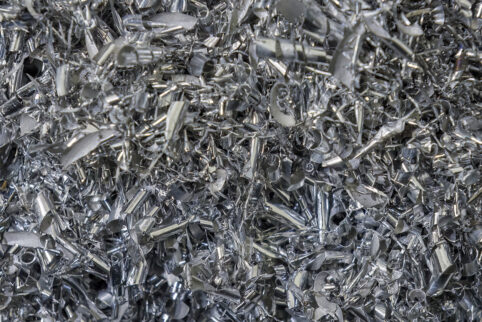
Zorba is a non-ferrous mixed scrap metal made up primarily of aluminum and other nonferrous metals (typically ranging from 70-90%). According to the Recycled Materials Association (ReMA)—formerly the Institute of Scrap Recycling Industries (ISRI)—the remaining percentage of zorba can also include copper, nickel, tin, zinc, lead, magnesium, and stainless steel. This varies widely depending on each seller’s processing capabilities and buyer needs. Shorthand naming, such as “Zorba 90,” refers to the estimated percentage of total non-ferrous metal content in accordance with ReMA guidelines.
Zorba recycling is a growing market, especially as more facilities gain access to shredders. However, zorba must be properly sorted and handled before it’s ready to sell. Zorba usually comes from automotive recycling operations, but it can also come from other scrap and metal processing applications.
Classifying Different Types of Zorba
Like other scrap and recycled goods, zorba’s composition isn’t universal and should ultimately be classified by the buyer and seller.
Generally, zorba can be classified into three different size groups: large, small, and fine. Each subgrade is treated differently and requires different processing procedures. Large-fraction zorba is the easiest to sort—sometimes even hand-picked because the pieces are large enough to grab—and is therefore worth the most to buyers.
Small-fraction zorba often contains two to three times more valuable red metals, such as copper, brass, and bronze, making it especially enticing to some buyers. Once generated, small-fraction zorba requires further downstream sorting using advanced sensor equipment or high-frequency eddy currents to separate red metals from aluminum.
Finally, zorba fines are the smallest and are sorted using density separators, such as air classifiers or hydro-density separators.
Twitch
Zorba scrap is appealing to buyers because it can be used to generate twitch. Twitch (formally defined by ReMA as Floated Fragmentizer Aluminum Scrap) is a more valuable, refined aluminum product. Traditionally, producers make it by running zorba through a wet heavy-media separation (sink-float) system, or, increasingly, dry X-ray Transmission (XRT) sorting. Because zorba mostly comes from shredded automobiles, the resulting twitch scrap is mostly cast aluminum.
Twitch typically contains 90%+ aluminum in mixed alloys and is a valuable secondary aluminum source for industries such as automotive manufacturing and aerospace.
What is the difference between Zorba and Twitch?
Zorba is mixed non-ferrous scrap metal, mostly aluminum, but also red metals and other heavy metals. Twitch is the furnace-ready, high-purity aluminum scrap created by further separating and refining zorba to remove the non-aluminum metals.
How to Maximize Twitch Value
On its own, zorba is worth less than pure aluminum scrap because it needs additional cleaning, polishing, and sorting before it can be reused. Buyers will pay higher prices for twitch than zorba because twitch is “furnace-ready” for secondary smelters. By upgrading zorba to twitch, scrap yards capture a massive profit margin that they would otherwise be leaving on the table.
Zorba’s worth can be increased by processing it further, then cleaning and polishing the separated aluminum with heavy-duty equipment such as a metal polishing drum. This refined aluminum is better quality and more valuable than even high-quality zorba like Zorba 90. Recycled zorba also uses significantly less energy than primary aluminum production and offers a lower carbon footprint, making it more environmentally friendly.
Increase Your Scrap Returns With General Kinematics
Zorba and twitch recycling is a growing market. With General Kinematics scrap processing equipment, you can sort and polish zorba scrap metal more efficiently and even refine it into more valuable twitch scrap. Optimize your setup today!